Turnover is not margin
In a service network it is easy to confuse traffic with profit. The busiest store can have the worst margin once overtime, rework and complaints are counted. Without one shared cost model, every conversation with a manager turns into an argument about definitions.
What the model needs
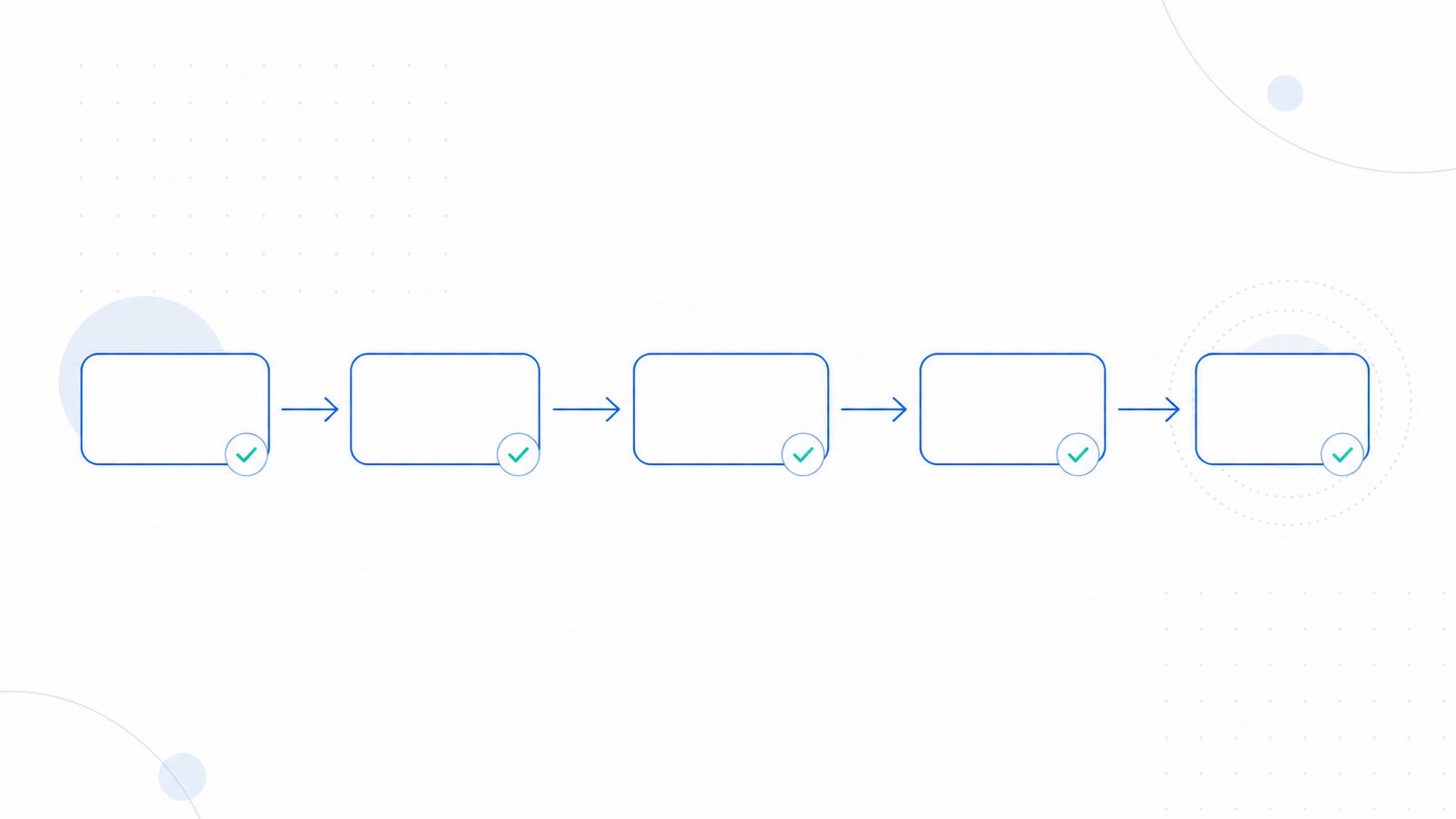
A store model does not have to be complicated. It has to be shared by every location and stable over time. Four layers are enough:
- Revenue by service, not just a daily total.
- Direct costs: materials, energy, outsourced work.
- Labour: planned and actual hours, overtime, absence.
- Quality: complaints, rework, cost of remedy.
Only from those four layers does a store margin emerge that can be compared.
The reporting rhythm
A monthly report should answer three questions: what changed, why, and what we do next month. If it runs to twenty pages, nobody reads it. If it is one table and three sentences of commentary, it enters the operations conversation.
In practice, one sheet per store generated automatically from the same data accounting uses works best. Manual adjustments are allowed only when they are explained.
The result
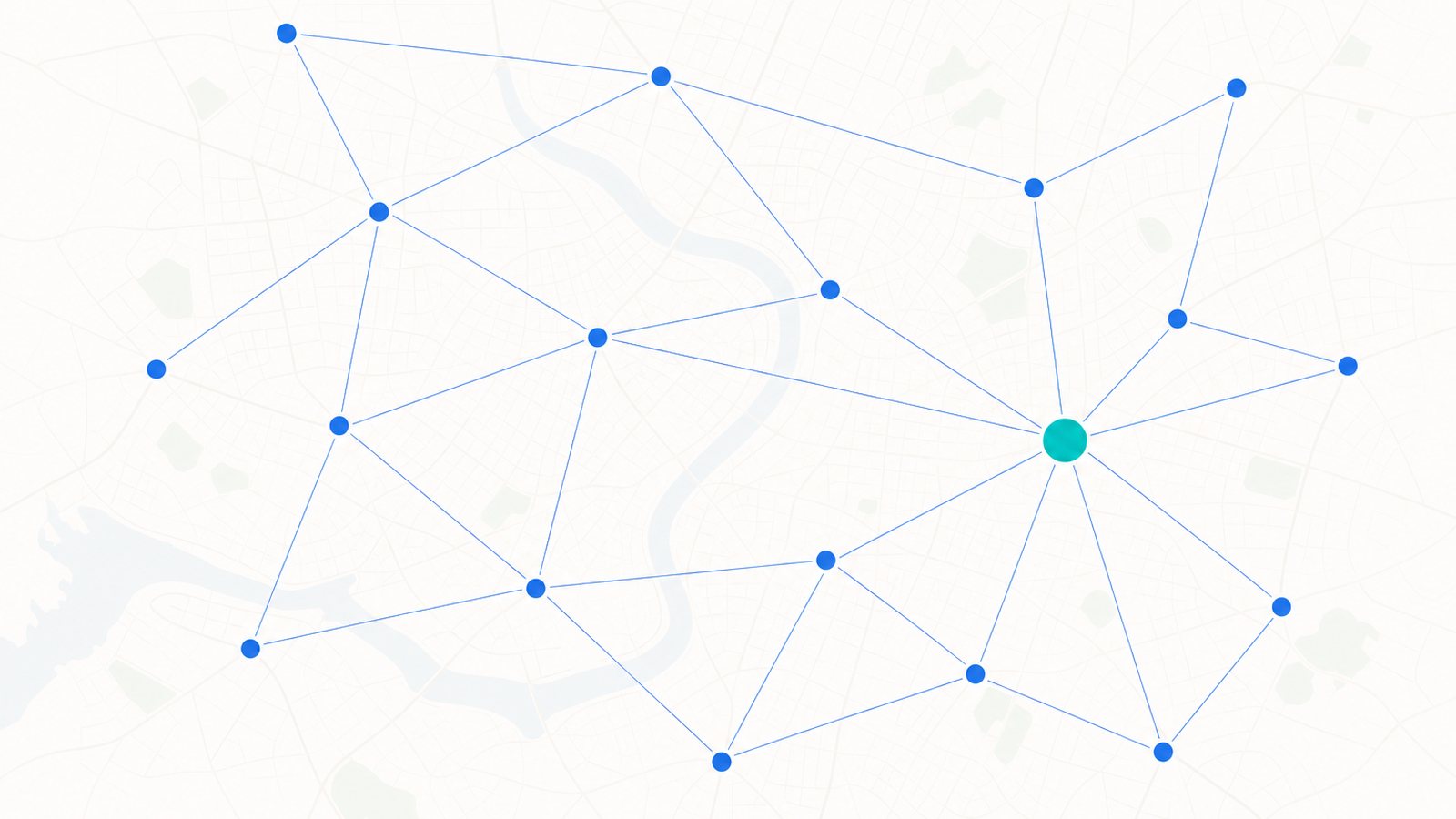
When 27 locations speak the same language of numbers, the conversation stops being about feelings. It becomes about decisions: where to move a person, where to change a rota, where to raise a price, and where to close a service that never made money.